When Women Find the Courage to Speak: Nov 2026
Some of the most meaningful moments in community work happen when people feel safe enough to speak openly about issues that are often difficult to discuss. Our fieldwork in Sirata Baawa was one such experience. It brought forward powerful stories about motherhood, cultural expectations, unequal power relationships, and the determination to protect the next generation.
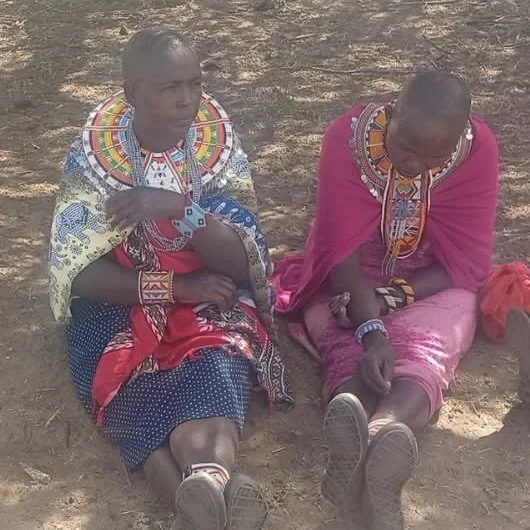
Our team visited Sirata Baawa to engage the community on female genital mutilation (FGM). We hoped to bring both men and women together because protecting girls requires the involvement of the entire community. However, when the meeting began, only women were present. This unexpected change to our plans turned out to be a valuable opportunity because it opened a safe space in which women could discuss the challenges they face within their families and communities. As the conversation unfolded, it became clear that there was much more to explore than we could have anticipated.
Starting the conversation
Mr Samson, my fellow facilitator, opened the meeting thoughtfully, recognising that the subjects we were discussing were sensitive and required care. When it was my turn to lead the discussion, I began with FGM because of its connection to early marriage and its effects on girls' lives. Rather than simply presenting information, I wanted the women to reflect on the experiences of the girls who undergo the practice. As I described the procedure and explained the effects of FGM, some women visibly cringed as they remembered their own experiences. I then invited them to imagine their own daughters going through that experience. What would it mean for a child to experience pain because of a practice she may not fully understand? How would the child feel when the people responsible for protecting her allowed this harm?
I had anticipated that some participants might become defensive, given the cultural sensitivity of the subject. Instead, the women began opening up. They shared experiences, acknowledged difficult realities, and spoke about pressures that are not always easy to discuss publicly. The meeting gradually became more than an awareness session. It became an opportunity to listen to the human stories behind harmful practices and better understand the circumstances that can make change difficult.
Lack of support from other women
One story particularly stood out. A participant shared that she had not wanted her daughter to undergo FGM and organised a ceremony for her without carrying out the cutting. Only two female friends knew about her decision. However, within a month the elders had summoned her. Instead of supporting her decision, one of her friends had exposed her.
Her experience raised an important question: What happens when a mother wants to protect her daughter but fears the consequences of going against community expectations? We encourage mothers to protect their children, but we must also recognise the pressure they may face when making decisions that differ from established practices. Some may fear rejection, criticism, or confrontation with influential members of their community. This highlights the importance of creating supportive networks for mothers who choose to protect their daughters from harmful practices. When mothers encourage one another rather than expose or isolate those who choose differently, they help create an environment where safer decisions become easier to sustain.
Cultural exclusion and blackmail
Our discussion was deepened by the accounts of other women. An elderly participant explained that before certain sacred rituals, women suspected of being uncircumsised may be taken to a thicket and examined, and those who have not undergone FGM may be excluded from festivals. For many people, cultural ceremonies are closely connected to identity, family relationships, and community acceptance. When participation becomes tied to a harmful practice, girls and women may feel pressured to conform even when doing so puts their well-being at risk.
The women also raised concerns about situations in which mothers had reportedly paid women who perform FGM but later decided not to have their daughters cut. According to the accounts shared, some women who perform FGM allegedly use this information to pressure mothers into making repeated payments in exchange for keeping their decisions secret.
Building solidarity
These accounts reminded us that efforts to end harmful practices require meaningful community engagement. It is important to work with communities to preserve valuable cultural traditions while finding safer ways to celebrate girls and mark important stages of life. Culture and child protection do not have to be in conflict. Communities can preserve their heritage while ensuring that children are not subjected to harm or exclusion.
Despite the difficult experiences shared, one of the most encouraging aspects of the meeting was the women's response as the discussion progressed. Participants acknowledged that they had learned more about the effects of FGM and expressed a desire to protect their children from the practice. They also recognised that for women to play an important role in challenging harmful expectations and creating lasting change, they need to stand together. We imagined a community where a mother who chooses not to subject her daughter to FGM receives encouragement instead of criticism, and where her daughter continues to be accepted and celebrated. That kind of solidarity can help create lasting change. One meeting cannot undo generations of expectations, but it can open a door. But every honest discussion is an opportunity to build understanding and take anotehr step towards a safer future.
One village, one conversation, one family at a time. 💜
NOTE: During just this one meeting, mothers signed up 22 girls to participate in our 6-day Alternative Rite-of-Passage ceremony in place of FGM. The male elders of the community have agreed to support these decisions and will even participate in and bless the ceremony.