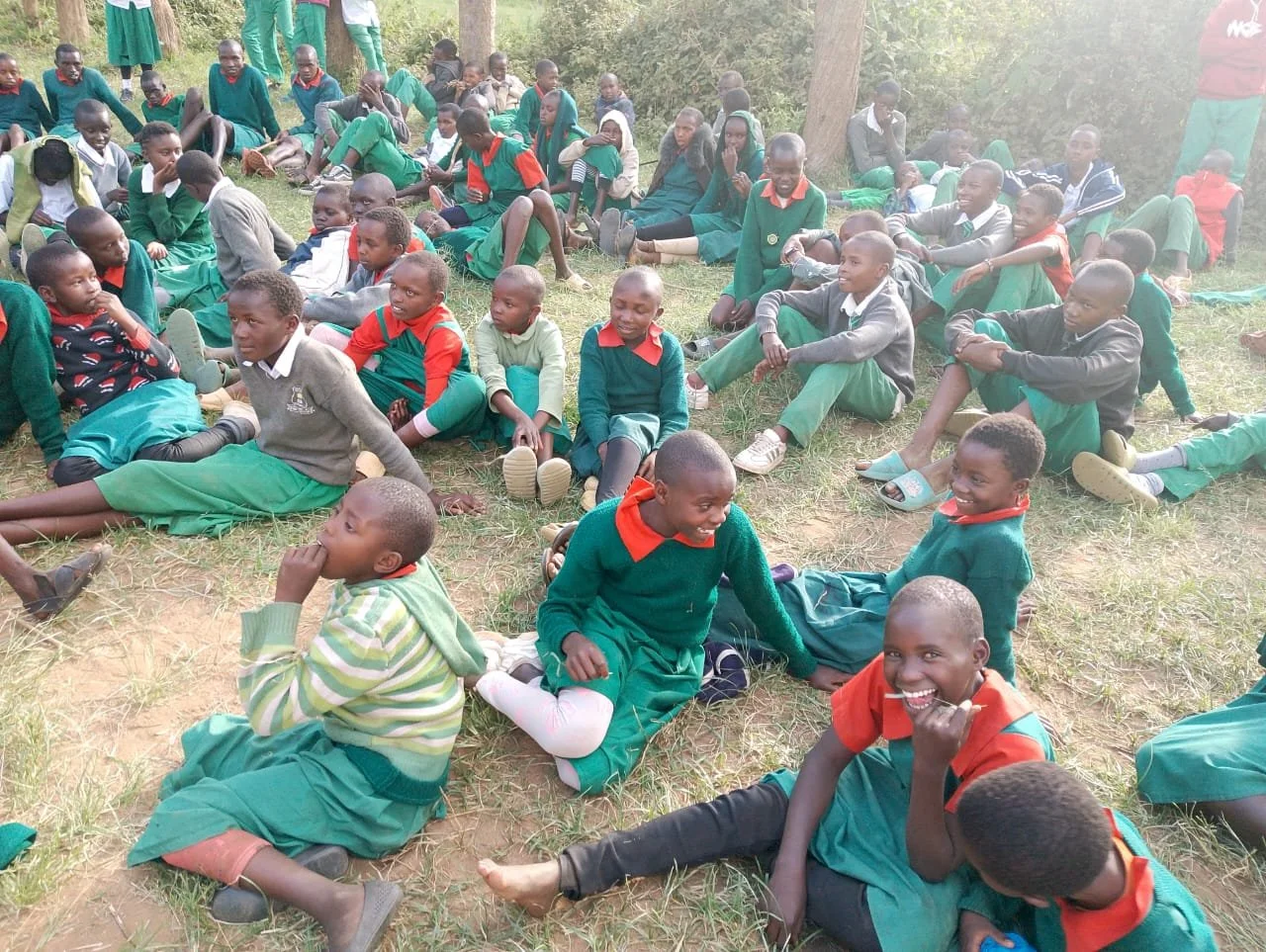
Empowerment Clubs
Samburu girls have little or no say in their futures or even what happens to their bodies. Some are taken out of school as children and forced to become the sexual slaves of young warriors, a practice called “beading” (which, thankfully, is becoming less common). Once beaded, they are repeatedly raped without access to birth control. Anyone who becomes pregnant is forced to have a traditional abortion: the girl is held down while women use their elbows and knees to push the fetus out. When Samburu girls reach puberty, almost all are forced to undergo Female Genital Mutilation (FGM), a dangerous and excruciatingly painful procedure which can lead to major health problems. And then, still children, many are forced to marry old men against their will. As one girl described it, they are bought and sold like cattle. To give Samburu girls back a sense of dignity and of control over their lives, Josphine and her team developed and now run empowerment clubs for junior secondary students.
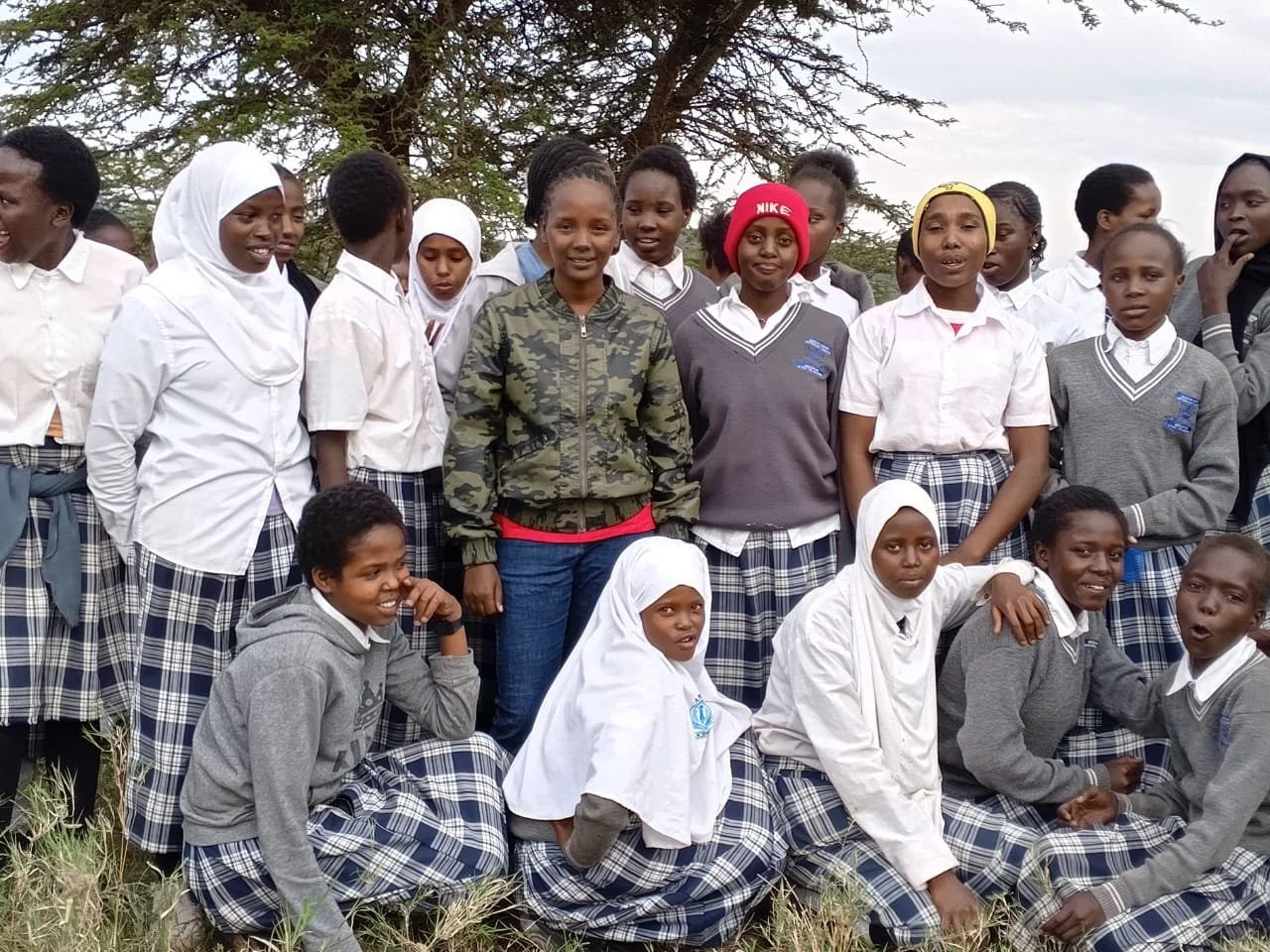
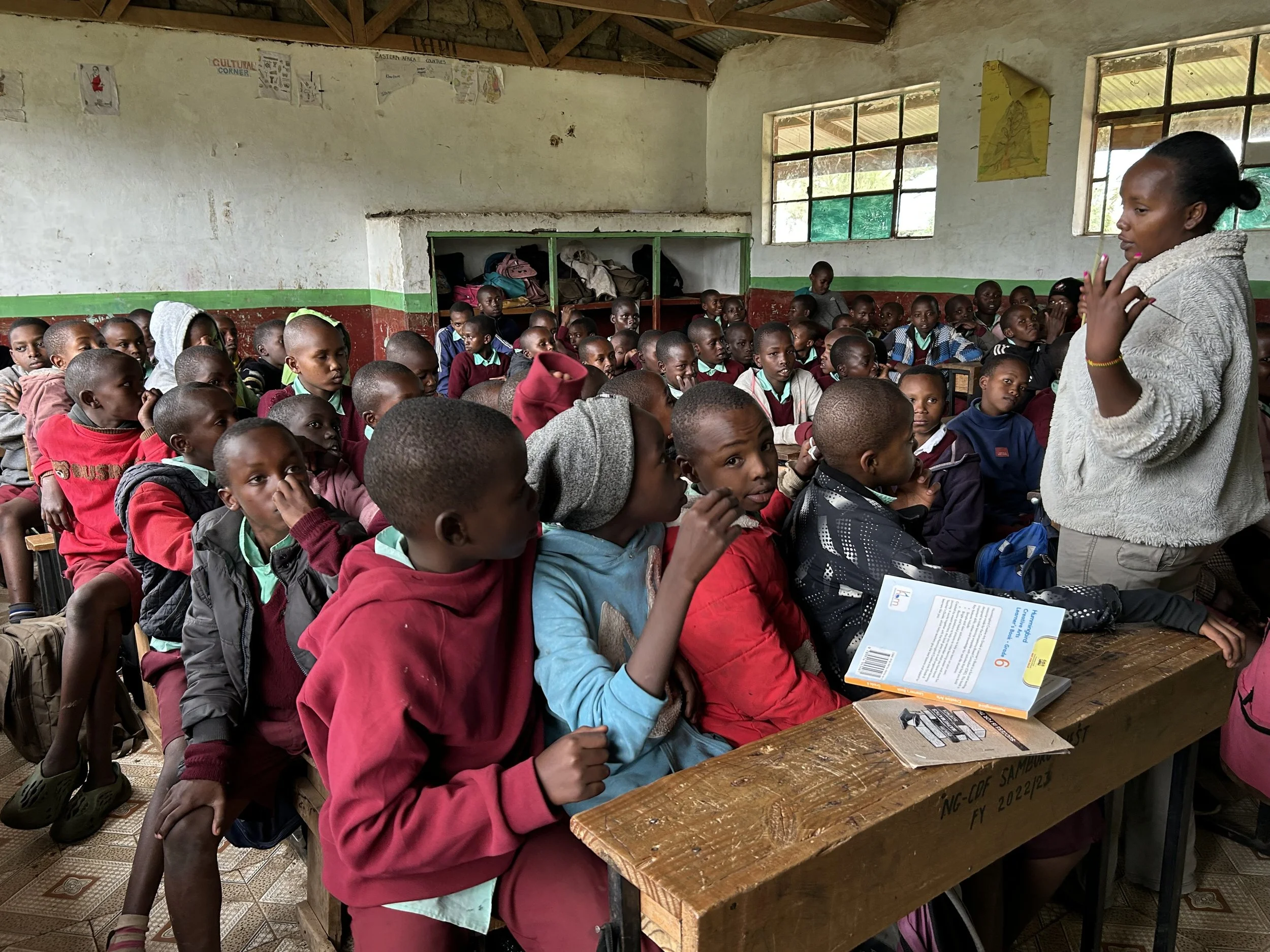
The clubs meet after school and, in the course of a year, work through a curriculum designed to help Samburu girls become changemakers by:
shifting the students from a more typical "rote memorization" form of learning to one involving critical thinking so they can form and express their own opinions and ideas;
building the self-confidence of club participants and fostering their initiative to find answers and problem-solve;
encouraging them to act individually and collectively to bring positive changes to their lives and the world around them.
We quickly realized that boys needed the curriculum too! All boys wants to be a hero. If they are taught that a powerful man beats his wife, they will strive to live up to that standard. If they are taught that a powerful man uses his power to protect and serve the community, then they strive to use their power to protect and care for others. Our job is to point them towards the right sort of role model, and it turns out that’s pretty easy. The boys’ clubs start by asking the students to think of a man they admire and share with the group why they admire them. Invariably the boys choose a man who is kind and has helped the community. The 42 topics addressed in the club meetings help the boys grow their power and use it well so they can become like the men they admire.
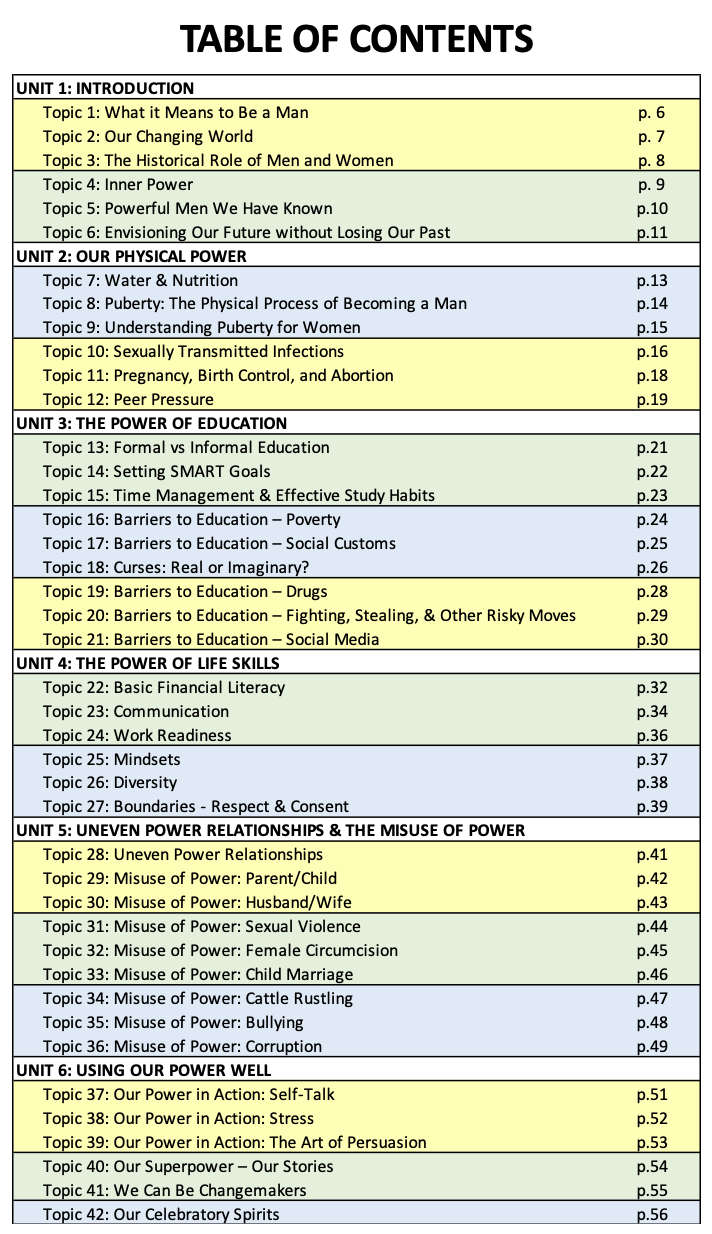
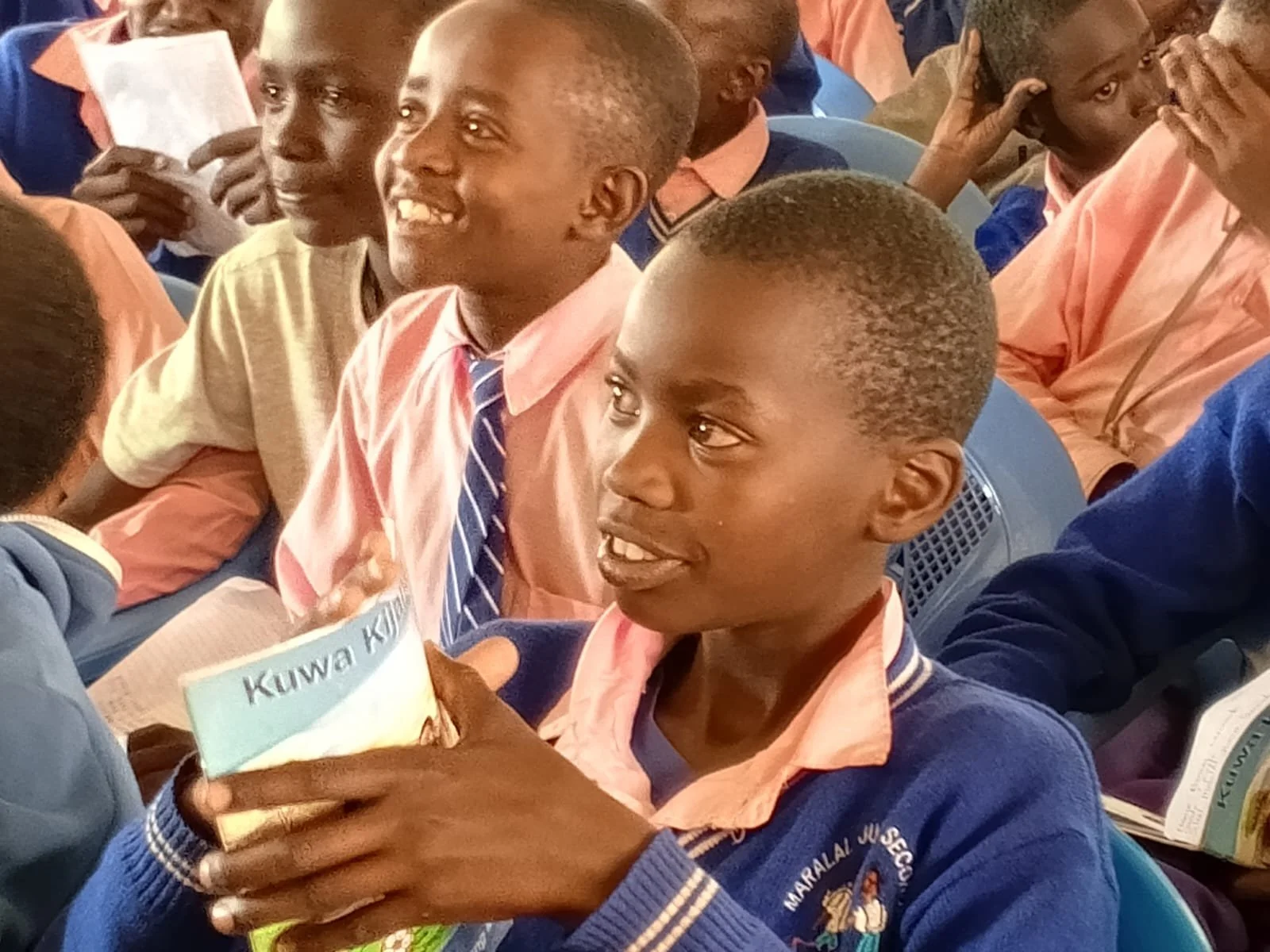
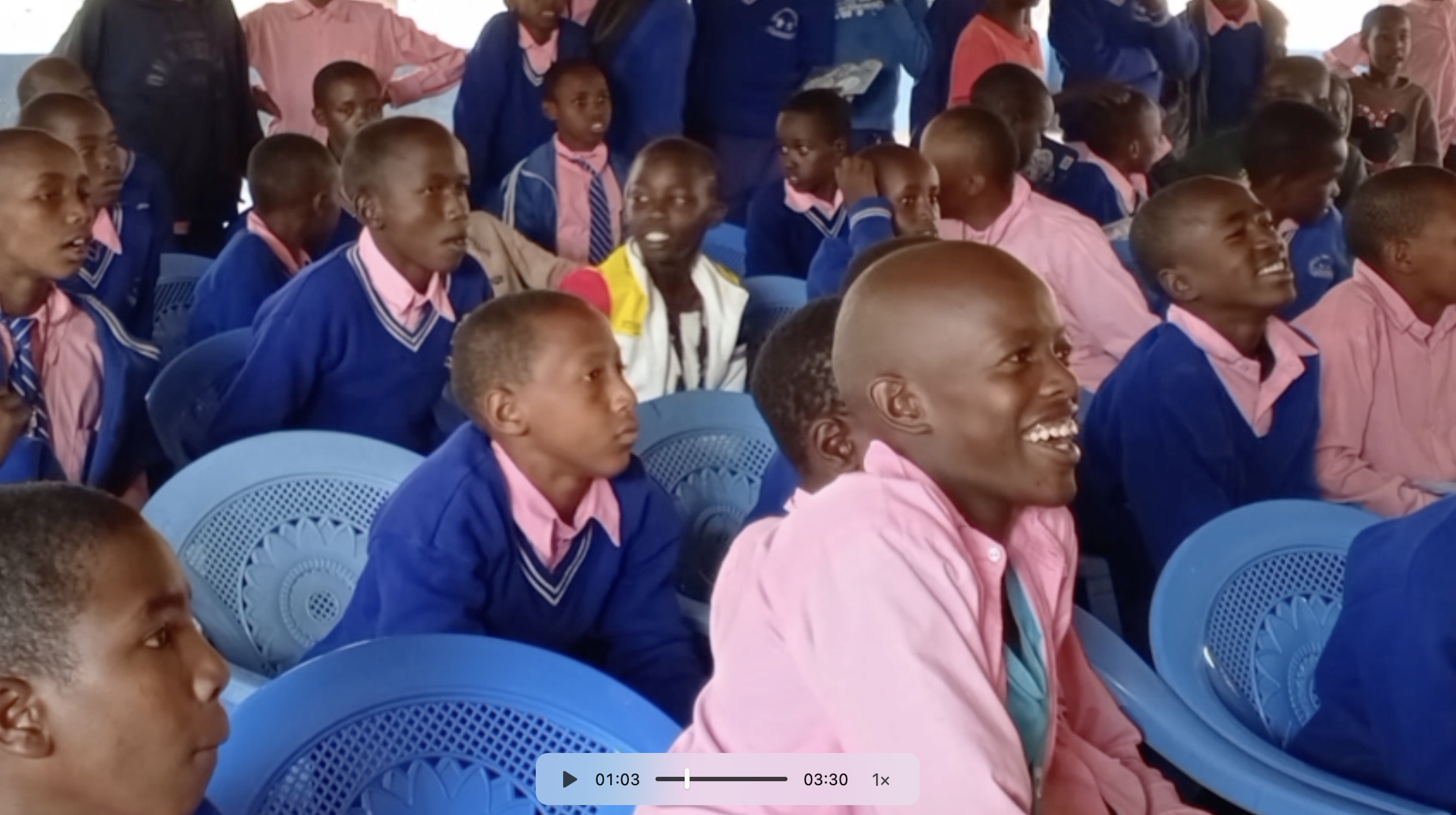
The curriculum is neutral–we share a few facts, but then it is discussion-based. Our leaders never say something is right or wrong, and all views are equally valued. We were curious to test the impact on beliefs and behaviors, so, in 2025, we decided to run an experiment in the boys’ clubs. In the Samburu culture, no boy is supposed to marry a girl if she has not undergone FGM, so on the day clubs discussed this topic our leaders asked the boys if they would consider marrying a girl who had not been “circumcised” (FGM). At that time, all our clubs were held in Maralal, a large town that is not as traditional as rural areas, yet only 31% out of several hundred boys said they would consider it. In a rural area, this number would be far lower. At the end of the meeting, our leaders asked the same question again. After just this one meeting, 93% of the boys said they would consider marrying an uncircumcised girl. That is a big change in just one meeting!
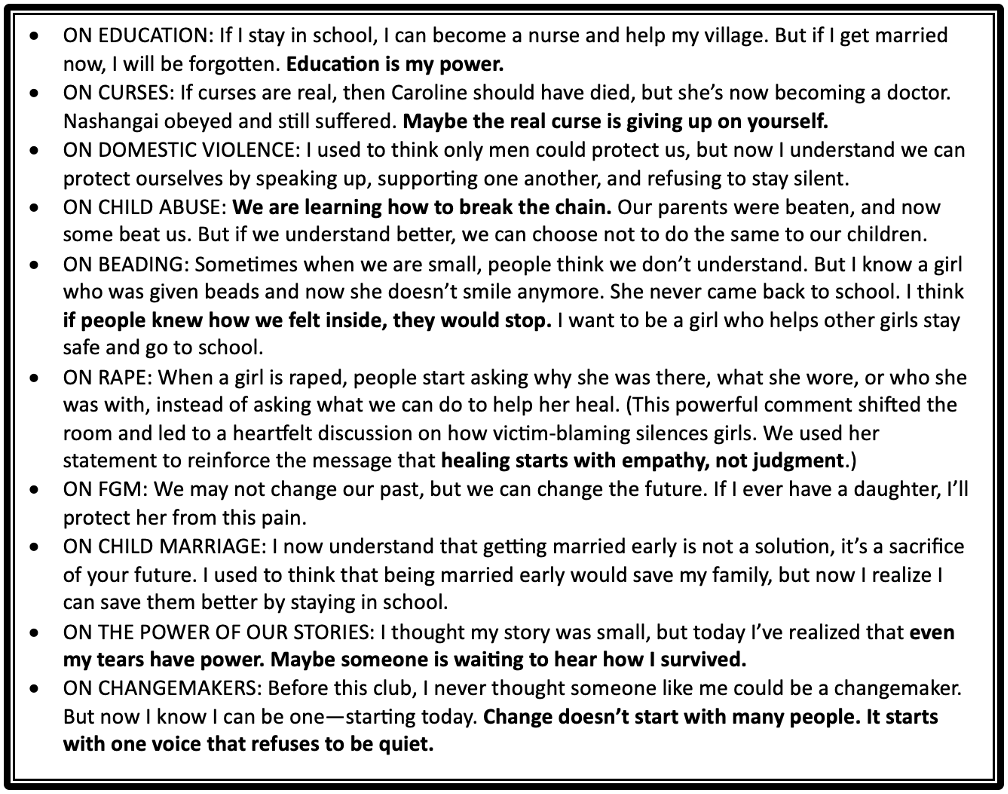
We love the comments we are hearing from students as they discuss topics in the clubs. Here are just a few:
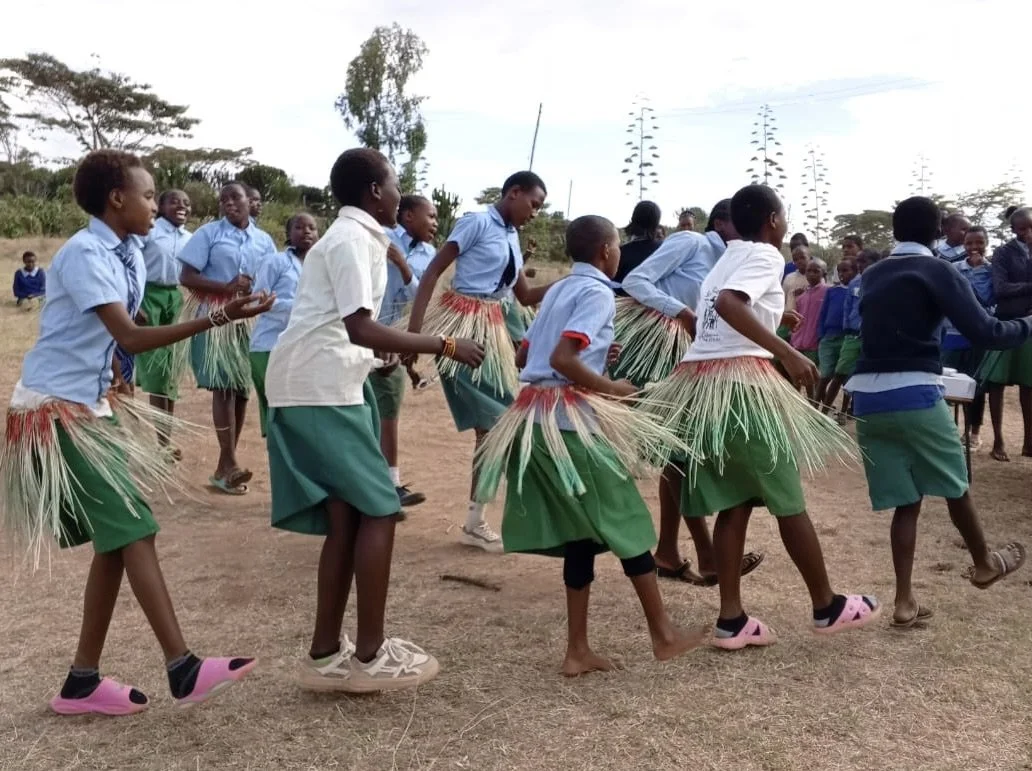
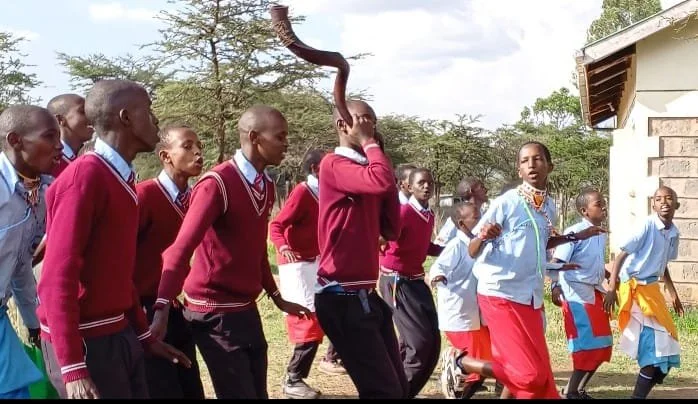
In 2026 we are running 26 clubs–two-thirds in the Maralal area and a third in the rural areas around Wamba. Weekly attendance is averaging 1,370, 62% of whom are girls. Over a thousand new students each year are challenged with and inspired by this curriculum, and they are leaving feeling empowered to improve their own lives and excited to bring about good changes in their schools and communities.