History
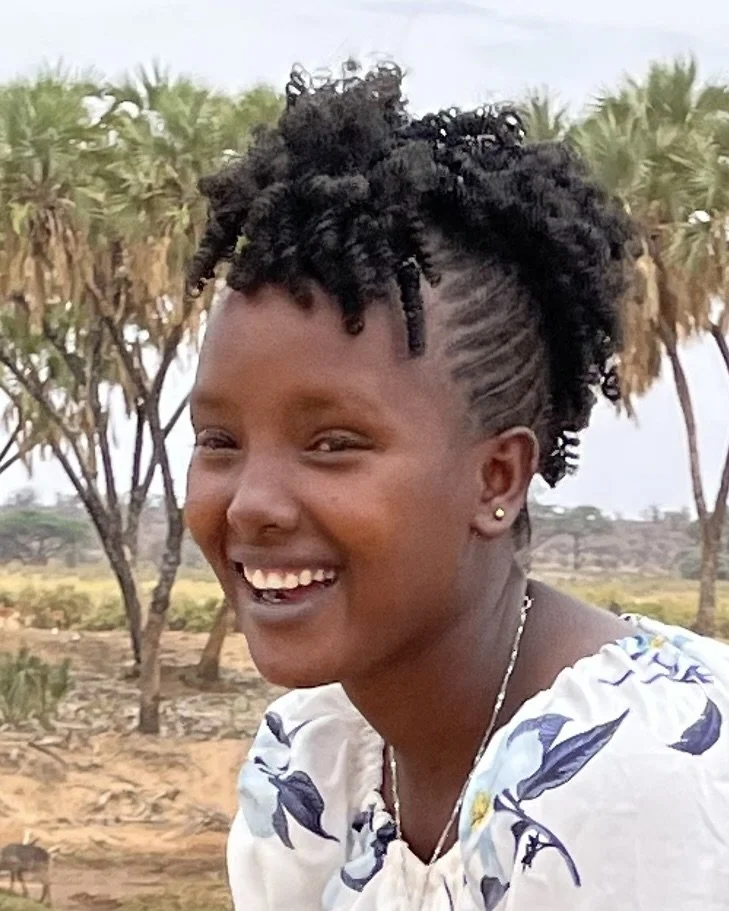
Josphine Naramat Lentiyani was one of ten children born to her impoverished Samburu parents. Her elderly father became severely disabled, and, when Josephine was ten, her mother, an angry alcoholic who had been forced into child marriage, abandoned the family. Josephine spent the next few years scavenging for ways to feed herself and her younger siblings. Often forced to miss school to search for odd jobs, she was scorned by the community for being an irresponsible child who “skipped” school. At 13, Josphine learned her father, unable to pay school fees, arranged for her to marry to an old man. This meant she would soon undergo FGM, as was expected in the Samburu culture before marriage. She refused, and, surprisingly, her father relented. But life continued to be precarious.
Eventually, Josphine was given an opportunity to return to school through a sponsorship program. When that support ended after a year, she once again faced the challenge of supporting herself without stable housing or resources. During this time she experienced a violent assault that left her pregnant and alone. Her attacker offered to marry her, but only if she agreed to undergo FGM. Once again, Josphine courageously refused.
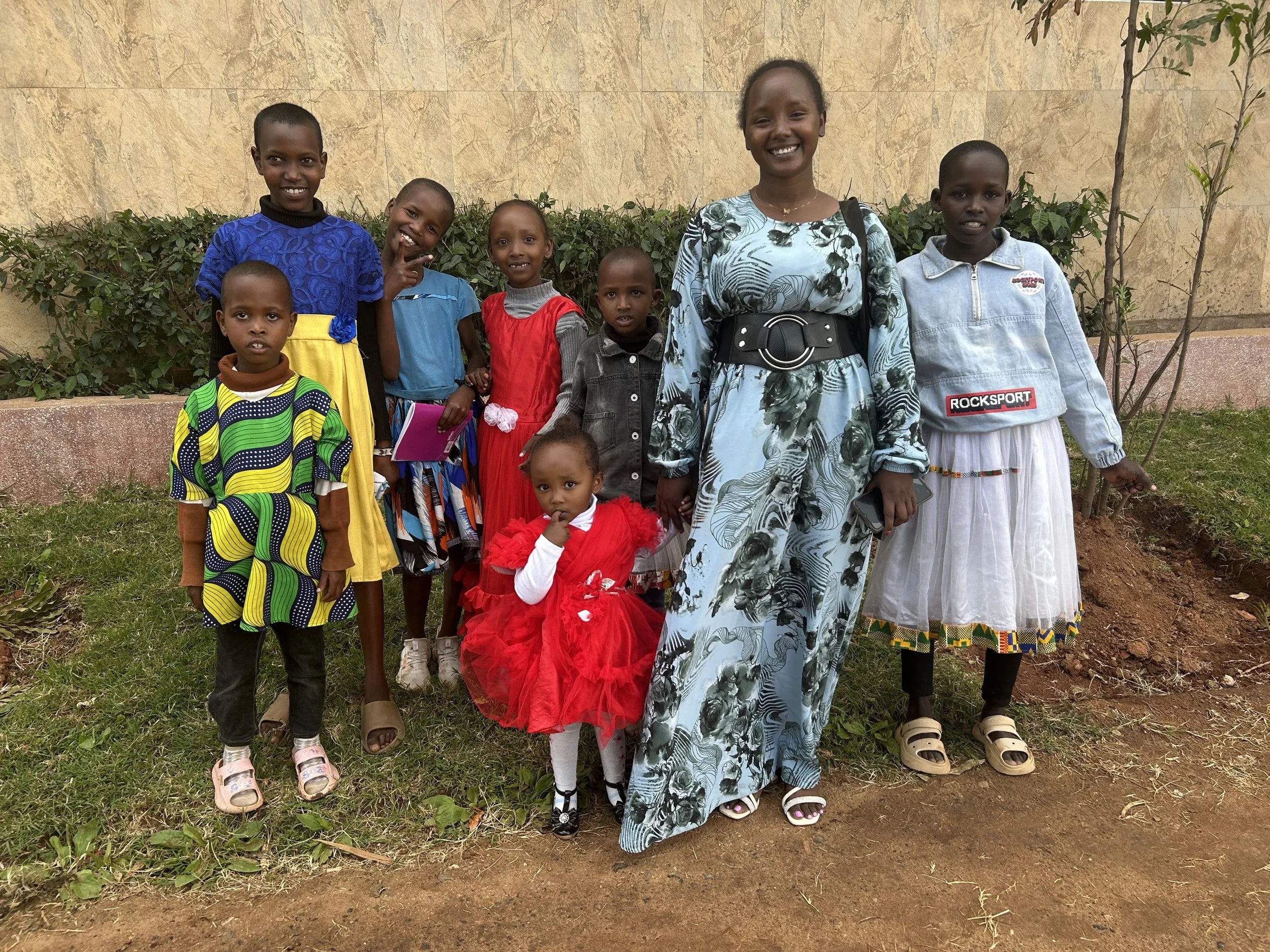
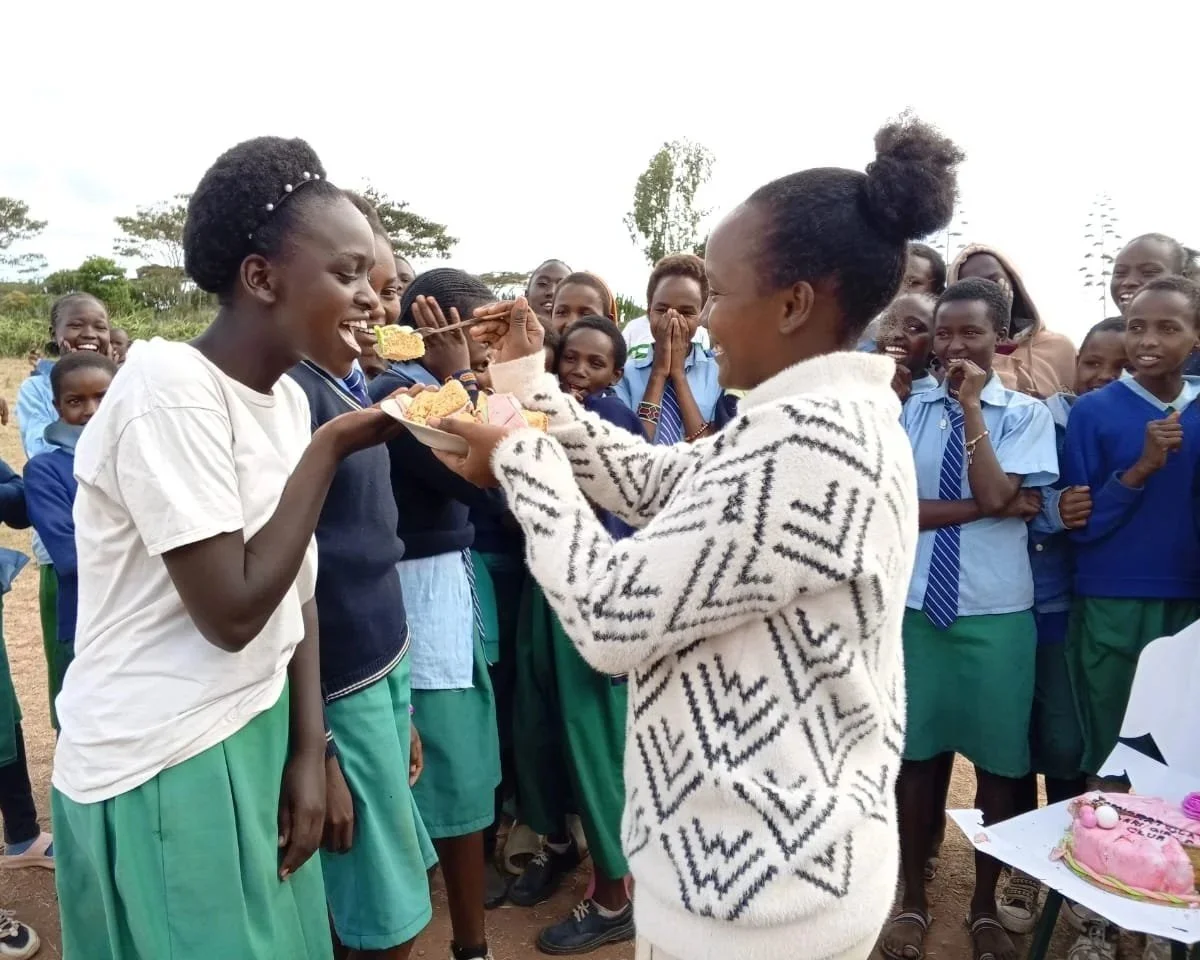
Despite these hardships, Josphine did not grow bitter. Instead, her compassion deepened. Having experienced hardship firsthand, she developed a strong desire to support other vulnerable children facing similar challenges. That eventually led to the establishment of Ramat Empowerment Initiative and its various programs. Her quiet strength and genuine care have earned the trust of abused children in her home, the respect of teenagers participating in her youth programs, and even the admiration of village elders—an extraordinary achievement for a young Samburu woman working to bring change within her own community.