Alternative Rite-of-Passage Ceremony - Apr 2026
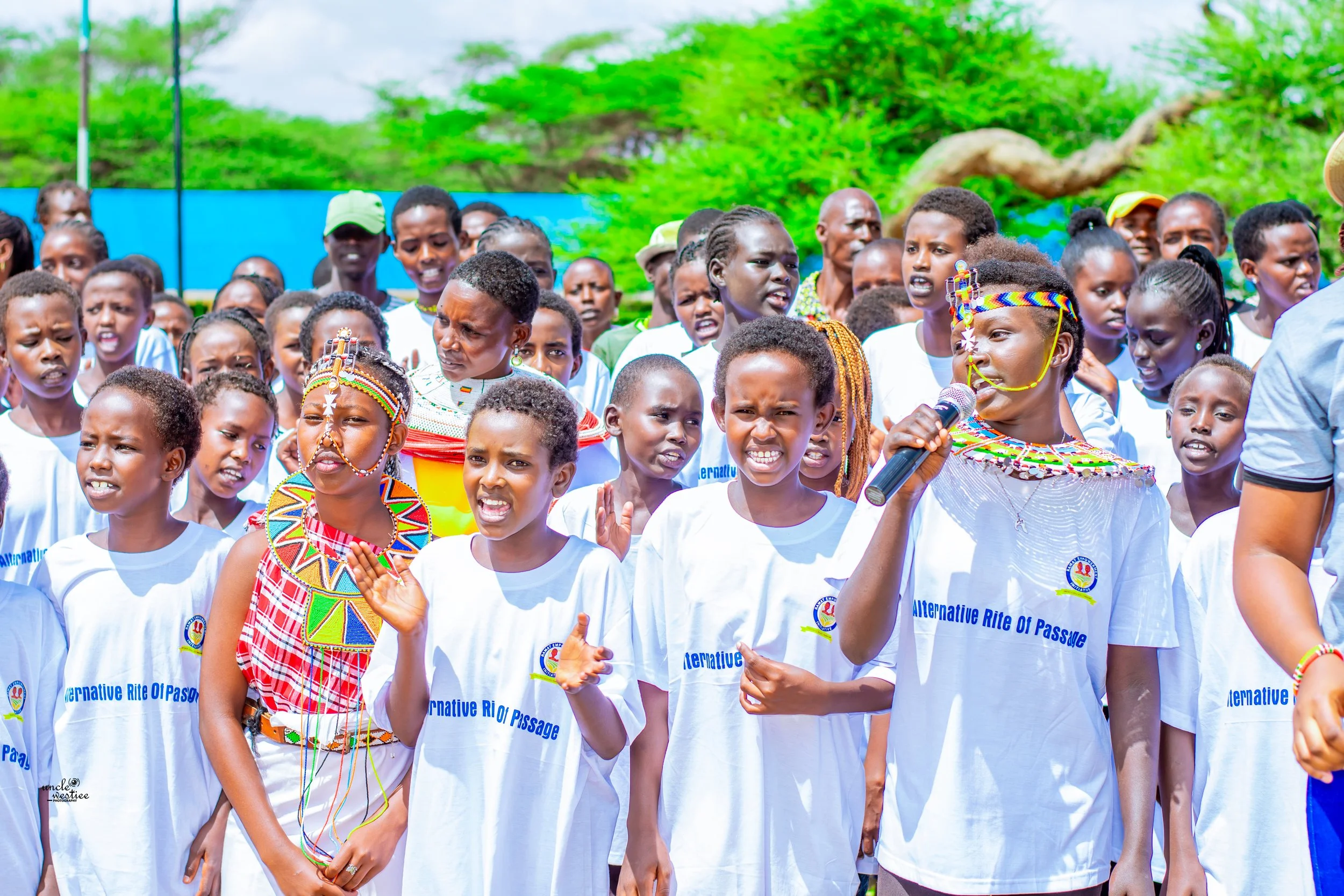
The day began beautifully. Sunlight spread generously across the land, lighting everything in a warm glow except for the soft shadows cast by the nearby Nkura Mountain. The entire place felt alive. Everywhere you looked, there was brightness, movement, and anticipation.
The celebration grounds were already well prepared. Tents stood in neat pairs facing each other, with loudspeakers positioned beside them, ready to burst into life. At the center stood a circular school assembly podium, carefully decorated in the colors of the Kenyan flag: black, red, green, and white; radiating pride and unity.
Children had already claimed their share of joy. Some were playing njasa, taking advantage of the damp ground left by recent rains. They had drawn square boxes on the soil, hopping skillfully on one foot while pushing a small stone forward, the other leg folded tightly like it was shy of the ground. Nearby, other students were deep in rehearsals: singing, dancing, and perfecting their performances for the big moment.
On one side, preparations for food were in full swing. Peeled potatoes sat neatly in large sufurias, while chunks of meat glistened temptingly in the distance. The catering ladies worked cheerfully, laughing as they stirred and arranged. Young elders acting like “junior elders”— they moved back and forth carrying heavy pots, trying to look strong but clearly hoping someone would notice their effort. Dogs hovered everywhere, eyes sharp and hopeful, convinced this was their day too.
I joined a group of men deep in conversation. One of them entertained us with a story about how his motorcycle once got a puncture in the forest. He left it there overnight, only to return the next morning and find that a hyena had “upgraded” it by completely destroying the seat. We all laughed because honestly, only in the Samburu village can even wildlife have mechanical opinions.
Outside, stones were arranged in a traditional three-stone fireplace setup; firm, balanced, and time-tested. Firewood crackled beneath the pots, and thin streams of smoke rose steadily into the air, carrying the scent of home. Women pushed wheelbarrows loaded with firewood, moving with strength and rhythm. In the distance, music from the loudspeakers floated across the grounds, tying everything together.
Parents began arriving one by one, some carrying young children, others walking hand in hand with them. The event was clearly well organized. A large banner stood proudly, reflecting the sunlight. It read: “ALTERNATIVE RITE OF PASSAGE.” Beneath the words was an image of a Samburu woman dressed in beautiful traditional attire; colorful beads shining, truly living up to the name “butterfly people.”
A DJ kept the mood alive with carefully selected music as people settled in. Young children beamed with joy, especially those reunited with siblings who had been away for a week. Their laughter and wide smiles painted the purest picture of happiness.
The facilitators stood out in their neat T-shirts labeled “Alternative Rite of Passage.” Soon, the graduates made their entrance: majestic and confident in white T-shirts bearing the same message. They sang melodiously, blending gospel tunes like “Christ Tetu” with local flavor. At one point, their voices rose so high and enthusiastic that even the DJ looked slightly worried his speakers might resign from duty.
Elders sat proudly, nodding in rhythm, gently shaking their heads as if approving each note. And then there were the grandmothers—completely fearless. No shyness, no holding back. They sang loudly, passionately, sometimes slightly off-key but with unmatched confidence. If singing were a competition, they wouldn’t just participate but they would declare themselves winners before it even began.
Students presented powerful poems condemning forced FGM and early marriages, their voices firm and emotional. They praised Josphine Naramat and her team, even composing a heartfelt song that moved many:
“Goodbye, goodbye as time is over,
We love you all…”
The girls performed a drama that had everyone laughing. They hilariously imitated parents insisting on outdated practices, then acted out clever and dramatic escape attempts. At one point, a “daughter” in the play ran so fast from her “mother” that even the audience wondered if she might actually leave the compound. Humor blended perfectly with a serious message.
Several speeches followed from parents, guests, and Josephine herself. One parent spoke honestly, advising others not to force FGM on any child. He acknowledged that while some girls outside school may still seek it, those in school are choosing a different path. His message was clear: let choice replace pressure.
Josphine’s speech was precise, powerful, and inspiring. She emphasized education, dignity, and the importance of protecting girls’ futures. The audience listened closely, and it was evident that minds were shifting. Many parents expressed willingness to support more girls in attending such programs.
The elder blessing ceremony took place after the speeches, when the girls were called forward by the elders to receive blessings. The girls sat quietly on the ground, facing downward as a sign of respect. They were surrounded by elders dressed in traditional attire—shukas and kikois—holding walking sticks, which they raised during the blessing ritual.
One elder began the prayer in a traditional language, saying, “naa kijo naa metoropolo…,” invoking blessings from God. Nearby stood Josphine and two other women, while others observed from a short distance as the ritual continued.
Some elders moved in a circular motion around the girls, chanting “Nkai! Nkai! Nkai!”—calling upon God. The atmosphere was solemn and deeply spiritual, reflecting unity, respect, and cultural identity. This ritual symbolized the elders’ acceptance of the alternative rite of passage.
Finally, certificates were awarded. Parents stood proudly beside their daughters, smiling as they received recognition for completing this important journey. It was a moment of dignity, pride, and transformation.
As the event came to an end, there was a deep sense of fulfillment in the air. This was more than just a celebration; it was a turning point. Tradition had not been abandoned, but thoughtfully reshaped into something safer, more empowering, and more respectful of individual choice.
The Alternative Rites of Passage program proved that culture and progress can walk hand in hand. It honored identity while protecting the future of young girls. The laughter, music, performances, and even the jokes shared among villagers all reflected a community willing to grow without losing itself.
What stood out most was hope; the kind that is not loud, but steady. Parents left with pride, girls left with confidence, and the entire community moved forward with a renewed understanding. Change was no longer an idea; it was happening, right there under the bright Kenyan sun.
And as the shadows from Nkura Mountain stretched quietly across the land once again, they no longer felt like darkness, but like a reminder that even in shadow there is always light nearby.